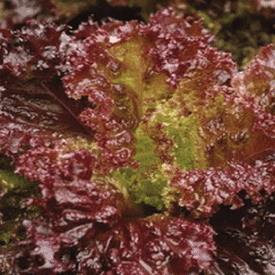
Lolla Rossa lettuce is a beautiful Italian heirloom variety originating from the Lolla region near Bergamo, known for its striking deep-red, frilly leaves and crisp texture. Typically forming compact, loose-leaf rosettes about 6 to 8 inches across, it adds vibrant color and visual appeal to salads and garden beds alike. The leaves are tender yet slightly crunchy, offering a mild, slightly bitter flavor with a subtle nutty finish. Lolla Rossa thrives in cool weather and prefers full sun with well-drained, fertile soil rich in organic matter. It grows best in temperatures between 45–70°F and benefits from consistent moisture, making it ideal for spring and fall planting.
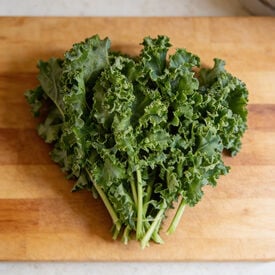
The Blue Curled Scotch Kale can be used as a garnish and or in hearty winter dishes. This kale variety is a compact plant with very tender, blue-green, crinkled leaves that are quite delicious, very cold hardy, and rich in vitamin A.
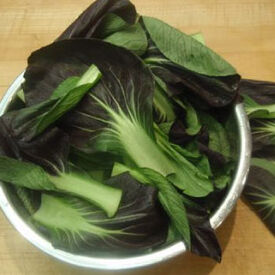
Red Choi is a beautiful Pak Choi cabbage that has an excellent flavor cooked into meals! This variety is green with maroon veins that changes into a deep red color. The Red Choi has a compact growing habit.
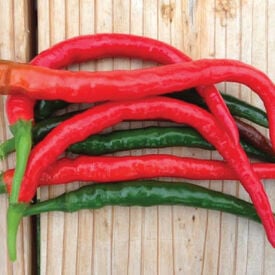
The Long Red Slim Cayenne Pepper is a traditional medium heat cayenne pepper with a great flavor! This variety is a long and thin pepper that produces unbelievably high yields. These peppers will mature red and are wrinkled with a mixture of straight and curly fruits. Long Red Slim is excellent for drying, pickling and fresh eating to spice up your chili or salsa. This pepper plant is bushy and reaches 26" tall.
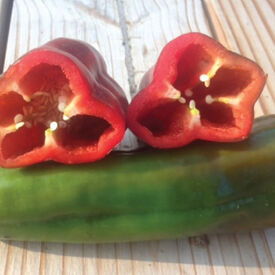
The Marconi Red Pepper is an Italian sweet pepper. This pepper variety is a very sweet thin-skinned pepper that changes from green to red with maturity and has 3-5 lobes.
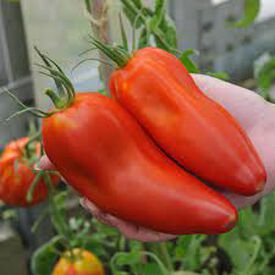
The Jersey Devil Tomato is an extremely prolific old heirloom paste-type variety that is shaped like a little banana pepper! These juicy tomatoes have a very meaty texture that is great for making into sauces and salsas. This old favorite produces very little seeds! The Jersey Devil grows to be about 5-6 inches.
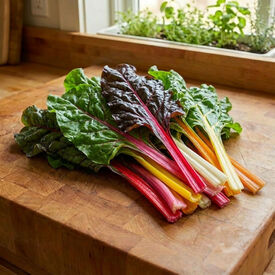
The Rainbow Blend Swiss Chard will brighten up any dish! The beautifully colored and delicious Rainbow Blend is a mixture of different red, orange, pink, yellow and white chard. These stunning leafy greens are a staple to any garden or meal. The glossy dark green leaves have a crisp texture that can't be beat. Organic Seed.
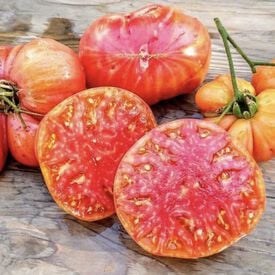
Hillbilly tomatoes are a vibrant heirloom variety renowned for their eye-catching appearance and rich flavor. These large, beefsteak-type tomatoes feature a striking color pattern of yellow and orange with red marbling, creating a visually stunning fruit that stands out in any garden. When fully ripe, Hillbilly tomatoes develop a sweet, fruity flavor with subtle tangy notes, making them an excellent choice for fresh eating, sandwiches, and salads. They typically take about 80 to 90 days to reach maturity, and the plants exhibit a sprawling, indeterminate growth habit, producing a steady yield of fruit throughout the growing season. The vigorous vines benefit from staking or cage support to manage the heavy fruit and ensure a bountiful harvest. With their unique coloration and exceptional taste, Hillbilly tomatoes offer both visual and culinary appeal, making them a favorite among gardeners and chefs alike.
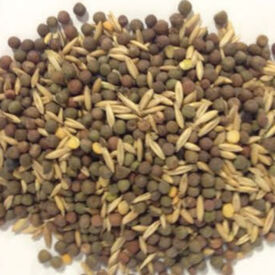
Using the Field Peas and Oats Blend throughout your garden is a great way to fix nitrogen and add organic matter to the soil! This blend contains a great ratio of grass and legume cover crop for fixing nitrogen, winter cover, weed suppression and more. The Field Peas and Oats Blend should be sown from early spring to late summer. Sow no later than 6 weeks before first fall frost in your area. This variety is gold hardy enough to grow long into the fall leaving behind a great mulch for soil protection. (75% peas / 25% oats by weight) Seed Coverage: - 5 lbs covers 2,000-4,000 sqaure feet - 100 lbs covers 1-2 acres Uses: Deer Attractant, Green Manure, Nitrogen Fixation, No Till, Organic Matter (Biomass), Weed Suppression
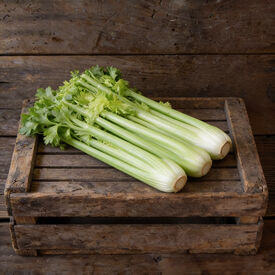
Tall Utah celery, developed in the early 20th century in Utah, is renowned for its tall, sturdy stalks and exceptional flavor. This variety features vibrant green, crisp stalks that can reach heights of 18-36 inches, making it a standout in gardens. The taste is mild and slightly sweet, perfect for fresh eating or cooking in a variety of dishes. Harvesting typically occurs 85-100 days after planting, when the stalks are firm and well-developed; gardeners can choose to cut the entire plant or selectively harvest individual stalks as needed. Tall Utah celery thrives in cool climates and requires consistent moisture, making it a favorite for both home growers and commercial producers.
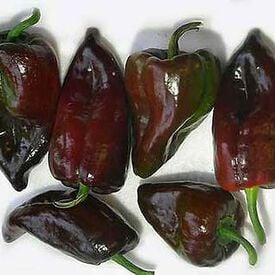
A wonderful mild chile with a sweet flavor and is larger and sweeter than the Poblano pepper. The mulato has been described as tasting somewhat like chocolate or licorice, with undertones of cherry and tobacco. Its heat rating is 2,500 to 3,000 on the Scoville scale. Dry these out to create the perfect mole sauce!
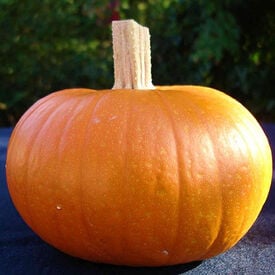
Small Sugar pumpkin seeds produce a beloved heirloom variety that has been grown in North America since the 1800s, cherished for its manageable size and excellent eating quality. These compact, vigorous plants yield round, deep orange pumpkins averaging 6–8 inches across and weighing 5–7 pounds, making them easy to handle and perfect for smaller gardens. Known for their fine-grained, sweet, and flavorful flesh, Small Sugar pumpkins are a classic choice for pies, soups, and baking, often referred to as “pie pumpkins.” They mature in about 95–100 days, thrive in well-drained soil with full sun, and are prized not only for their culinary uses but also for their attractive appearance in autumn decorations.
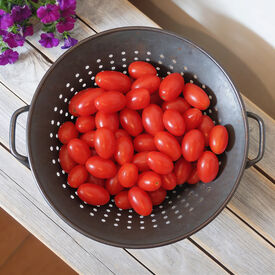
The 1999 AAS winner, Juliet Tomato, is a bright red, 1 oz. cherry tomato hybrid with a great sweet flavor that can't be beat! This tomato variety produces grape-like clusters on long, vigorous vines. The small and elongated fruit has a sweet flavor with an attractive glossy skin that is very crack resistant. This variety is also prized for its early and extended harvest season, offering high-quality fruit over a long period.
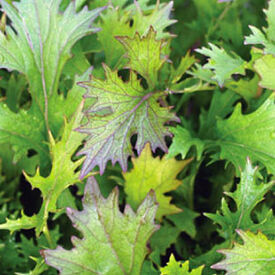
The Mizuna Purple Mustard produces bright purple tinged and sharply serrated green leaves. This is a tasty variety that is fast maturing and slow bolting.
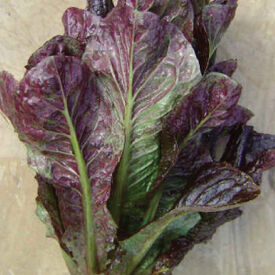
Red Romaine Lettuce has long, crinkled leaves with great crunch! This variety starts green and fades to redish-purple. The Red Romaine's leaves are12" tall and the plant is about 10-12" wide. This lettuce is often used in Caesar salads not only for its crunch, but also for its color. Use Red Romaine lettuce for an incredible edible purple border in your flower beds.
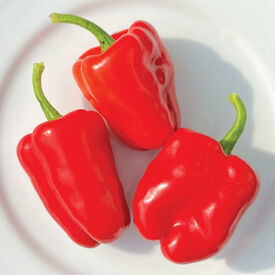
One of our favorite peppers! If you like sweet peppers with a slight spicy kick, then the Cajun Belle is for you! This variety is a great small bell pepper that is an All American Selection winner. Cajun Belle matures early and is a very heavy yielder that bears 2 by 3 inch, 3-4 lobed fruit. This pepper's flavor really sets it apart from the pack with a sweet start that ends in a burst of spice that's not too hot. We found this charmer to be superb for both fresh eating and making salsa at either the green stage, or when ripened to red!
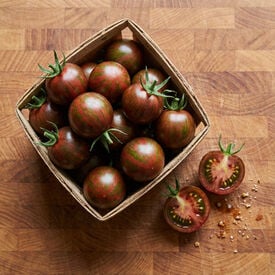
The Purple Bumble Bee Tomato is part of the beautiful and tasty Artisan tomato collection with a sweet fruity flavor that is great for fresh eating! This variety produces tomatoes with a purple color and a metallic green striping. The Purple Bumble Bee is beautiful when mixed with the other Artisan tomatoes.
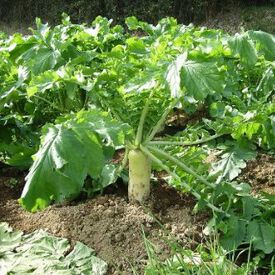
The Jackhammer Radish is a fast growing daikon radish variety that is a great scavenger that will start germinating immediately! This variety is very easy to grow. The Jackhammer Radish is good for winter kills and turns into great biomass. Radish (Brassica): Cool Season, broadleaf, Annual, Upright and spreading habit, Root Crop Uses: Nitrogen Scavenger, Green Manure, Forage, Organic Matter, Weed Suppression
