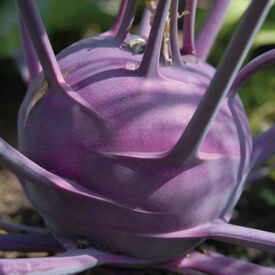
The Purple Vienna Kohlrabi is an early variety that grows to 12" inches high. The pale purple, flattened, globe shaped bulbs are smooth and tender and form above the ground. Purple Vienna's uniquely flavored white flesh tastes the best when its bulbs are 3" in diameter. Sow in the spring to enjoy a successful harvest over a longer period of time.
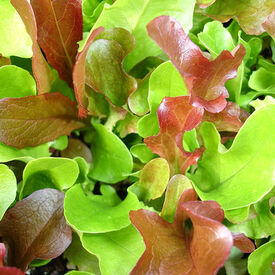
The Garden Mesclun Blend is a mixture of light green to emerald, and bronze to deep red lettuces as well as endive and radicchio for a crunchy, zesty flavor that is a perfect addition to any salad!
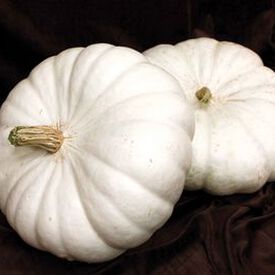
The White Flat Boer Ford is a true white pumpkin that is perfect for autumn displays! This variety grows to be 3 to 5 inches high and spreads 8 to 12 inches wide. This flat pumpkin can weigh between 10 to 15 pounds! The White Flat Boer Ford has deep ribs that makes for an appealing autumn display, but it also has a delicious eating quality for its aromatic, succulent, and sugary flesh.
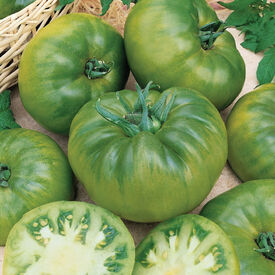
A green beauty in any vegetable garden. Ripens with a green exterior and interior that is sweet and tart! One of our favorite tasting green tomato varieties. Will mature to between 8-12 ounces and when mature with have a yellowish tint on the bottom of the fruits.
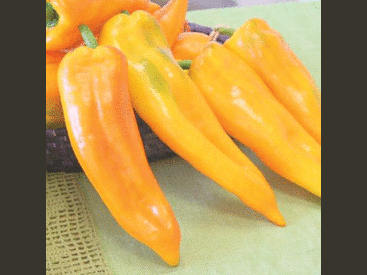
The Corno Di Toro Giallo Pepper is a great cooking variety, as it is an old-time Italian sweet frying pepper! Corno di Toro peppers, also known as "Bull's Horn" peppers, are a prized variety cherished for their impressive size, distinct shape, and exceptional flavor. These peppers are characterized by their elongated, tapered form, resembling a bull’s horn, and their vibrant yellow color when ripe. Known for their sweet, mild taste with just a hint of spice, Corno di Toro peppers are versatile and can be enjoyed both raw and cooked. Their thick, meaty flesh holds up well in grilling, roasting, and stuffing, making them ideal for a range of culinary applications. Beyond their culinary uses, these peppers are also valued for their high yields and productivity in the garden, thriving in warm, sunny conditions with well-drained soil. Corno di Toro peppers not only enhance the flavor of dishes but also add a striking visual element with their unique shape and vibrant hues.

Fragaria vesca var. semperflorens ‘Improved Rügen’ is a refined strain of the classic Alpine strawberry, originally developed in Europe and prized for its reliability and extended production season. Unlike typical woodland strawberries that fruit once, ‘Improved Rügen’ is everbearing, producing a steady crop of small, conical red berries from late spring through fall. The fruit is exceptionally fragrant and sweet, with an intense wild-strawberry flavor that is richer and more complex than commercial varieties. Plants stay compact and runner-less, forming neat clumps covered in white blooms and abundant berries, making them ideal for borders, containers, and gourmet gardens where taste and ornamental appeal matter. Other names include Alpine Strawberry, Fraise du Bois, Baron Solemacher Strain
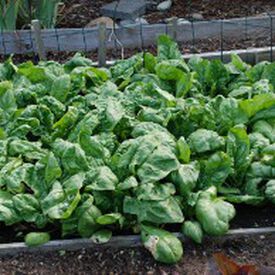
The Olympia is a top-notch smooth leaf hybrid spinach that has a great flavor. This spinach Hybrid has thick and dark green leaves that grow upright. The Olympia is highly recommended for spring, summer, fall and over wintering crops because it resists bolting under high temperatures and long day conditions. Treated seed.
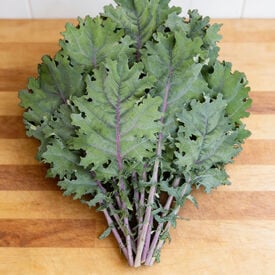
The Red Russian Kale is a very tender, colorful specialty kale for salad mix and bunching. This variety is a special, refined strain. Its stems are purple and leaves are deep gray-green with purple veins. This flat, noncurled, and tooth-edged kale has a wonderful taste. Red Russian matures medium-tall and leaves are tender compared to other kales.
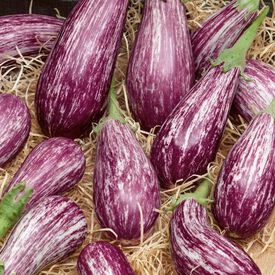
The Galaxy of Stars Eggplant is a breathtaking purple and white variety with a delicious flavor that is out of this world! This plump eggplant variety's unique striations will remind you of a galaxy full of stars. This plant produces fruits that are 3-4 inches long and are topped with a green calyx.
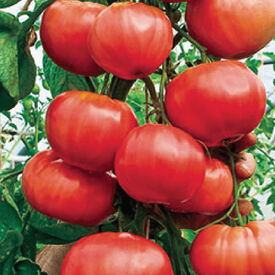
The Trip-L-Crop Tomato is an extremely long and productive heirloom tomato plant variety that thrives in a greenhouse setting! This tomato produces huge yields on a 15 foot vine that needs a trellising. The large 1-2 lb. tomatoes are red, meaty and great for canning.
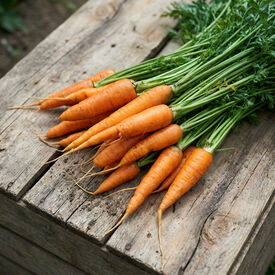
Little Finger carrot seeds grow into a petite, gourmet variety that originated in France and has been cherished since the mid-20th century for its tender, sweet flavor and snackable size. This Nantes-type carrot matures quickly in just 55–65 days, producing smooth, cylindrical roots about 3–4 inches long, making it perfect for small gardens and container growing. Its bright orange flesh is crisp, juicy, and sugary, often eaten fresh right from the garden, but also excellent for steaming, roasting, or pickling. Known as a child-friendly carrot because of its size and sweetness, Little Finger is ideal for fresh snacking, lunchboxes, and gourmet dishes, while also storing well for extended use.
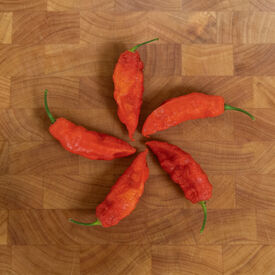
The Red Bhut Jolokia (Ghost Pepper) is among the world's hottest pepper! In 2006, the Guinness Book of Records confirmed that New Mexico State University had discovered the world's hottest chile pepper, the wrinkled, scarlet Bhut Jolokia. At 1,001,304 Scoville Heat Units (SHU), the Red Bhut Jolokia is nearly twice as hot as Red Savina, the Chile pepper variety it replaced as the world's hottest. In comparison, a New Mexico Green chile contains about 1,500 SHUs and an average jalapeno measures at about 10,000 SHUs. Use with caution.
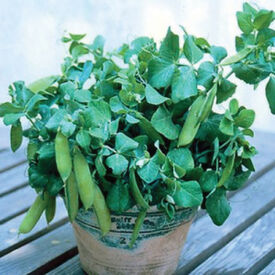
Just like its name, the Tom Thumb Pea is a tiny bush pea plant perfect for containers! If you are hurting for space but want to grow some delicious peas, try the Tom Thumb! This pea variety produces pea pods on a tiny pea plant.
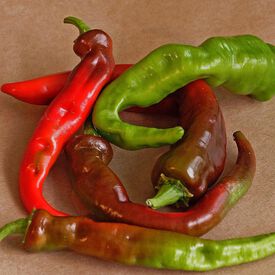
The Cayenne Long Red Thick Pepper is the biggest cayenne pepper you can grow! This variety's pepper grows to 5" long and 1/2" thick and are often curled and twisted. This pepper is great enjoyed fresh or dried for later use! The Cayenne Long Red Thick is a middle of the road hot pepper.

The Patio Tomato is a hybrid tomato that produces delicious, approximately 4 oz. fruits with attractive dark green rugose foliage. The easy to grow Patio Tomato thrives in pots, patio containers and small gardens, truly good things can grow in small spaces! Also does great as a hanging tomato plant.
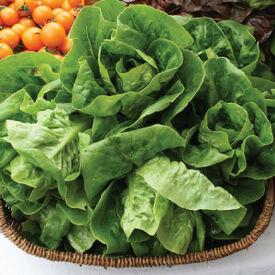
Little Gem lettuce is a small, compact variety that belongs to the Romaine family. Known for its tender, crisp leaves and sweet, mild flavor, it has become a favorite in both casual and fine dining. The heads are typically about the size of a fist, with tightly packed, bright green leaves that are both crunchy and delicate. Its flavor is a perfect balance between the slightly bitter taste of Romaine and the mild sweetness of Butterhead lettuce. Little Gem is often used in salads, sandwiches, or as a base for grilling, where its natural sweetness intensifies. Its small size also makes it an ideal choice for individual servings or garnishes. Rich in vitamins A, C, and K, it’s not only flavorful but also nutritious. Little Gem's heads are about 4 inches across and are prime eating from 4-6 inches tall. The plants can be spaced 6 1/2 by 6 1/2 inches for maximum yields. Growing Little Gem lettuce is relatively easy and well-suited to home gardeners, thriving in cool, temperate climates. This compact variety of lettuce prefers full sun but can tolerate partial shade, especially in hotter weather. It grows best in well-drained, fertile soil with a slightly acidic to neutral pH. To plant, sow seeds directly into the soil in early spring or late summer, spacing them about 6-8 inches apart to allow for proper air circulation and growth. Little Gem lettuce thrives with regular watering, but it’s important to avoid waterlogging, as this can lead to root rot. As it matures, the small heads form tight, crisp rosettes. Harvesting can begin in around 30-45 days, typically when the heads are firm but still small. For continuous harvest, sow new seeds every couple of weeks. Little Gem lettuce is also ideal for container gardening due to its compact size, making it a great choice for small spaces or urban gardens.
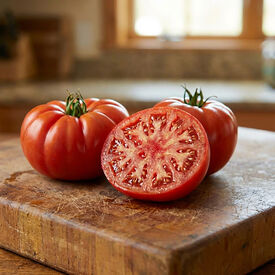
Beefmaster F1 tomato plants are renowned for producing some of the largest and most flavorful tomatoes in home gardens. Known for their impressive size, these beefsteak-type tomatoes can weigh over a pound each, making them perfect for slicing and adding to sandwiches, salads, and burgers. The plants are robust and vigorous, often reaching heights of up to 6 feet, and require sturdy support to handle the weight of the fruit. With a rich, juicy flavor and a meaty texture, Beefmaster tomatoes are highly sought after by gardeners and chefs alike, providing an abundant harvest throughout the growing season. In addition to their exceptional fruit, Beefmaster tomato plants are relatively easy to grow, thriving in warm climates with full sun and well-drained soil. They are typically resistant to common tomato diseases, which makes them a favorite among both novice and experienced gardeners. Regular watering and proper fertilization help ensure optimal growth and fruit development. With their high yield and impressive size, Beefmaster tomatoes can significantly enhance the home garden, offering not just fresh produce for the table but also a rewarding gardening experience. Whether enjoyed fresh, cooked, or preserved, these tomatoes are sure to delight anyone who tastes them.
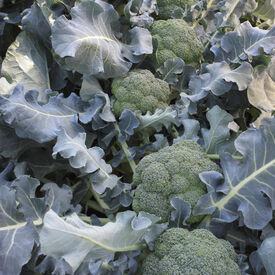
Godzilla is a new broccoli that produces very heavy and small-beaded heads. Leaf attachments are small and lower on the stem, allowing for quick trimming and easier harvest. Heads are fine-beaded and have very heavy florets.
