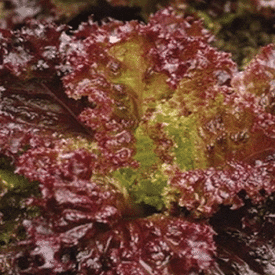
Lolla Rossa lettuce is a beautiful Italian heirloom variety originating from the Lolla region near Bergamo, known for its striking deep-red, frilly leaves and crisp texture. Typically forming compact, loose-leaf rosettes about 6 to 8 inches across, it adds vibrant color and visual appeal to salads and garden beds alike. The leaves are tender yet slightly crunchy, offering a mild, slightly bitter flavor with a subtle nutty finish. Lolla Rossa thrives in cool weather and prefers full sun with well-drained, fertile soil rich in organic matter. It grows best in temperatures between 45–70°F and benefits from consistent moisture, making it ideal for spring and fall planting.
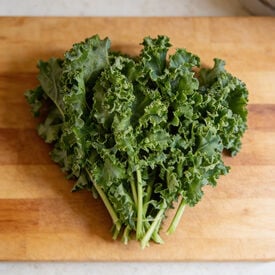
The Blue Curled Scotch Kale can be used as a garnish and or in hearty winter dishes. This kale variety is a compact plant with very tender, blue-green, crinkled leaves that are quite delicious, very cold hardy, and rich in vitamin A.
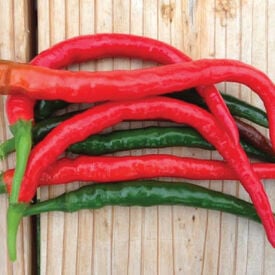
The Long Red Slim Cayenne Pepper is a traditional medium heat cayenne pepper with a great flavor! This variety is a long and thin pepper that produces unbelievably high yields. These peppers will mature red and are wrinkled with a mixture of straight and curly fruits. Long Red Slim is excellent for drying, pickling and fresh eating to spice up your chili or salsa. This pepper plant is bushy and reaches 26" tall.
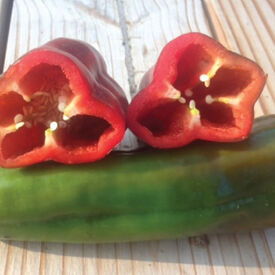
The Marconi Red Pepper is an Italian sweet pepper. This pepper variety is a very sweet thin-skinned pepper that changes from green to red with maturity and has 3-5 lobes.
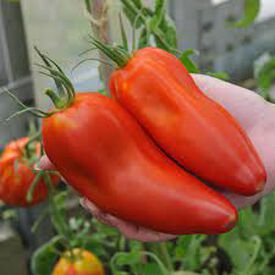
The Jersey Devil Tomato is an extremely prolific old heirloom paste-type variety that is shaped like a little banana pepper! These juicy tomatoes have a very meaty texture that is great for making into sauces and salsas. This old favorite produces very little seeds! The Jersey Devil grows to be about 5-6 inches.
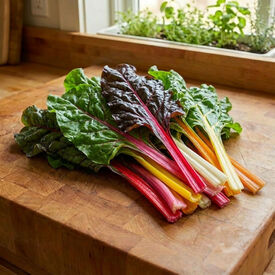
The Rainbow Blend Swiss Chard will brighten up any dish! The beautifully colored and delicious Rainbow Blend is a mixture of different red, orange, pink, yellow and white chard. These stunning leafy greens are a staple to any garden or meal. The glossy dark green leaves have a crisp texture that can't be beat. Organic Seed.
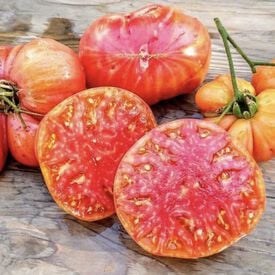
Hillbilly tomatoes are a vibrant heirloom variety renowned for their eye-catching appearance and rich flavor. These large, beefsteak-type tomatoes feature a striking color pattern of yellow and orange with red marbling, creating a visually stunning fruit that stands out in any garden. When fully ripe, Hillbilly tomatoes develop a sweet, fruity flavor with subtle tangy notes, making them an excellent choice for fresh eating, sandwiches, and salads. They typically take about 80 to 90 days to reach maturity, and the plants exhibit a sprawling, indeterminate growth habit, producing a steady yield of fruit throughout the growing season. The vigorous vines benefit from staking or cage support to manage the heavy fruit and ensure a bountiful harvest. With their unique coloration and exceptional taste, Hillbilly tomatoes offer both visual and culinary appeal, making them a favorite among gardeners and chefs alike.
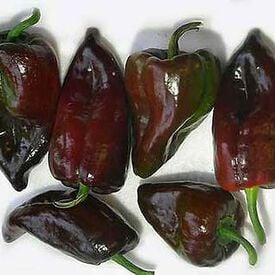
A wonderful mild chile with a sweet flavor and is larger and sweeter than the Poblano pepper. The mulato has been described as tasting somewhat like chocolate or licorice, with undertones of cherry and tobacco. Its heat rating is 2,500 to 3,000 on the Scoville scale. Dry these out to create the perfect mole sauce!
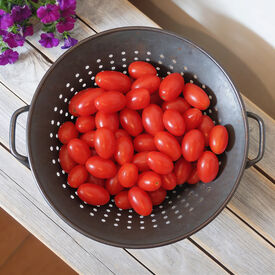
The 1999 AAS winner, Juliet Tomato, is a bright red, 1 oz. cherry tomato hybrid with a great sweet flavor that can't be beat! This tomato variety produces grape-like clusters on long, vigorous vines. The small and elongated fruit has a sweet flavor with an attractive glossy skin that is very crack resistant. This variety is also prized for its early and extended harvest season, offering high-quality fruit over a long period.
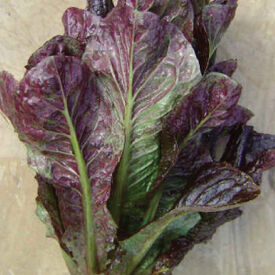
Red Romaine Lettuce has long, crinkled leaves with great crunch! This variety starts green and fades to redish-purple. The Red Romaine's leaves are12" tall and the plant is about 10-12" wide. This lettuce is often used in Caesar salads not only for its crunch, but also for its color. Use Red Romaine lettuce for an incredible edible purple border in your flower beds.
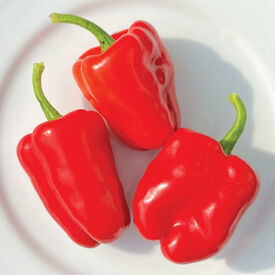
One of our favorite peppers! If you like sweet peppers with a slight spicy kick, then the Cajun Belle is for you! This variety is a great small bell pepper that is an All American Selection winner. Cajun Belle matures early and is a very heavy yielder that bears 2 by 3 inch, 3-4 lobed fruit. This pepper's flavor really sets it apart from the pack with a sweet start that ends in a burst of spice that's not too hot. We found this charmer to be superb for both fresh eating and making salsa at either the green stage, or when ripened to red!
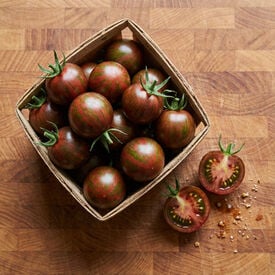
The Purple Bumble Bee Tomato is part of the beautiful and tasty Artisan tomato collection with a sweet fruity flavor that is great for fresh eating! This variety produces tomatoes with a purple color and a metallic green striping. The Purple Bumble Bee is beautiful when mixed with the other Artisan tomatoes.
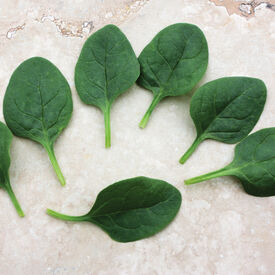
Seaside produces very uniform and great tasting baby leaf spinach. Stays baby size for extended period of time extending the season. Seaside has a nice, smooth, thick, very dark green, spade-shaped leaf making it a perfect choice for baby leaf growers. Seaside has great downy mildew resistance.
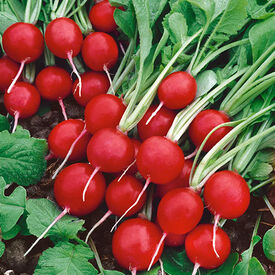
Rudolf Radish produces smooth, cherry-red, perfectly round roots with a crisp bite and classic, bold radish flavor. This vigorous, high-yielding variety is one of the easiest to grow and performs reliably in both spring and fall plantings. Roots size up quickly and uniformly, making them ideal for early harvest as cute mini radishes—or left to mature for full size without sacrificing texture or taste. A dependable choice for consistent shape, color, and crunch.

'Mignonette' is the tastiest red alpine variety in our opinion. It has moderate production of 1" long conical shaped fruit has an aroma and taste unlike anything you've ever experienced. Not as hardy as some of the other selections so mulch well for winter in colder zones.
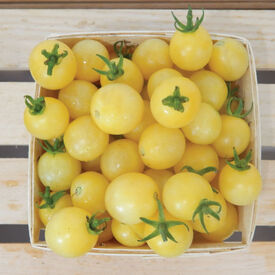
The Italian Ice is a small white to cream-yellow tomato variety with a sugary sweet flavor that is bursting with flavor! This variety produces high yields of up to 1" sized fruits that ripen from green to white to cream-yellow color. The tomatoes are edible once they turn their famous yellow white. The ripened tomatoes are incredibly sweet, which makes this variety a double threat! This tomato plant is a heavy producer that will grow and produce tomatoes up until the first frost. This variety should be staked well as it will grow large and vine off! The Italian Ice will be one of the first tomato varieties to ripen in the garden.
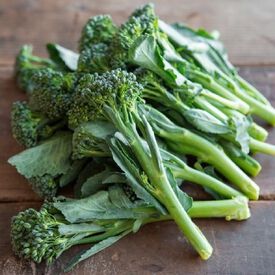
De Cicco broccoli, known for its exceptional taste, is a popular heirloom variety of broccoli (Brassica oleracea) that hails from Italy. This Italian heirloom has been cultivated for generations, making it a favorite among gardeners and chefs alike. De Cicco broccoli is classified as a compact, semi-dwarf type of broccoli, and it is highly prized for its versatility in the kitchen and its relatively quick maturity. De Cicco broccoli boasts a mild, slightly sweet flavor with a hint of nuttiness. Its tender, dark green florets are surrounded by a profusion of lush leaves. The compact plant typically reaches a height of 18-24 inches, making it suitable for smaller gardens or container growing. De Cicco is known for its relatively short days to maturity, typically taking around 48-65 days from seed sowing to harvest. This broccoli variety is characterized by its vibrant, dark green color, which is indicative of its high nutrient content. De Cicco broccoli exhibits strong disease resistance, particularly against common broccoli ailments like downy mildew and clubroot, which can be a relief for growers. When properly cared for, De Cicco broccoli can yield a bountiful harvest of small to medium-sized heads, often producing side shoots after the main head is harvested. For optimal growth, it's recommended to sow De Cicco broccoli seeds in well-drained soil with full sun exposure. Plant the seeds 1/4 to 1/2 inch deep, spacing them about 18-24 inches apart to provide enough room for the plants to mature and thrive. Additionally, consistent watering and adequate fertilization can help ensure a successful De Cicco broccoli crop.
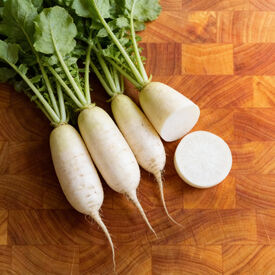
Minowase radish seeds produce a classic Japanese daikon variety with origins in East Asia, where long-rooted radishes have been cultivated for centuries for their productivity and versatility. Known for its smooth white roots that often reach 12–18 inches, Minowase features crisp, juicy flesh with a mild, slightly sweet, lightly peppery flavor that is far gentler than smaller spring radishes. Its clean taste and firm texture make it ideal for microgreens, sprouts, salads, pickling, stir-fries, soups, fermenting, and even grating fresh as a condiment. This variety grows best in cool weather and loose, deeply prepared soil that allows for long, straight roots; sow seeds directly in late summer or early fall, provide consistent moisture, thin seedlings to prevent crowding, and harvest before hard frosts for the best quality.
