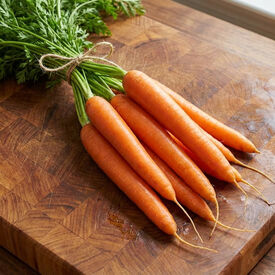
The Fancy Nantes carrot gets its name for its very smooth skin and fancy cylindrical shape. These carrots can grow up to 8" long with a very sweet and crisp flesh. For smaller, "fancier" look and great flavor try harvesting at 45-50 days when 4" long! They can store for months and also do great being left in the ground over winter.
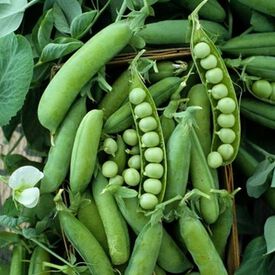
Alaska pea seeds grow into one of the oldest and earliest-maturing pea varieties, first introduced in the late 1800s and valued for its ability to thrive in cool northern climates. This hardy shelling pea produces compact, vining plants that yield an abundance of small, smooth, bright green pods filled with sweet, tender peas in just about 55 days, making it a favorite for short-season gardeners. The plants are relatively easy to grow, preferring well-drained soil and cool weather, and they often set pods before summer heat diminishes yields. With a mild, slightly starchy sweetness, Alaska peas are excellent for fresh eating, freezing, or canning, and have long been popular in soups and stews due to their ability to hold flavor and texture after cooking. Their dependable growth and versatile use have kept them a staple in gardens for well over a century.
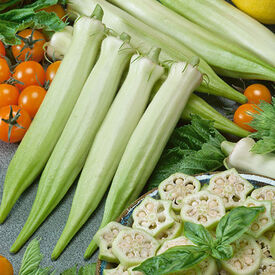
The Blondy Okra is a dwarf spineless variety that has ribbed creamy-lime green pods that are perfect for adding to soups or stews. This okra plant gets to be three feet tall and two feet wide, making it perfect for smaller gardens or containers. This okra is very productive and can be sown directly once the soil reaches to be 70 degrees Fahrenheit.
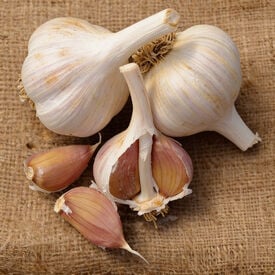
Yugoslavian garlic is considered a porcelain, which is a great storing garlic! This variety is hot & spicy and holds its shape and flavor well when cooked. Yugoslavian is regarded by some as the best if you like a good kick and is a hardneck variety.
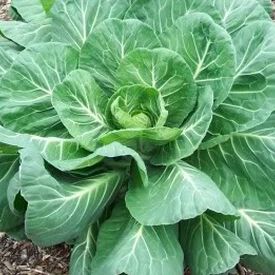
Georgia Southern is a large collard plant with a cabbage-like taste! This variety produces bluish-green leaves that can grow up to 36" tall and do not bunch or head like cabbage leaves. These large open heads are great for cooking or freezing. The Georgia Southern collard is vitamin rich, sweet, not bitter, heat tolerant, and frost hardy.
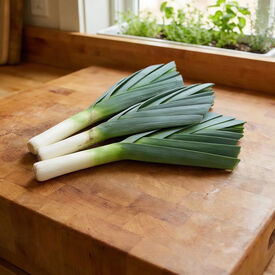
The hardy American Flag leek is a good variety for both home and market growers. The attractive uniform leek has blue green leaves and white stalks. The American Flag variety has a very nice sweet flavor. This leek can be enjoyed during fall and winter. Certified Organic. Learn more about our organic seeds.
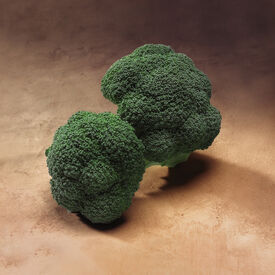
Gypsy is a hybrid broccoli that produces well in warmer growing zones. An excellent variety for greenhouse production. Gypsy has a strong root system and intermediate downy mildew resistance. Gypsy yields excellent, smooth, dome-shaped heads with medium-small beads.
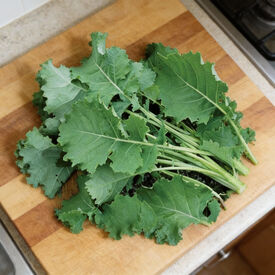
The Premier Kale, or also known as Early Hanover, is a high yielding kale with delicious and nutritious green leaves. This kale is early maturing that produces high amounts of smooth, dark green leaves. Plant Premier in the fall so that it produces higher yields and resists bolting 4 weeks longer. This kale's taste is a favorite and is extremely high in antioxidants and beta carotene!
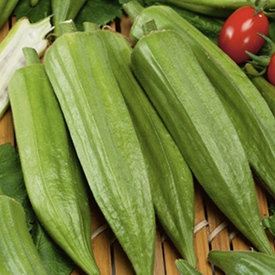
Organic - The Star of David is an Israeli okra variety with grooves, making it resemble a "star." This okra's unbranched stalks grow 8-10 ft. and produce 7" long pods with medium spines if left to mature. Star of David is a bright green okra with purple coloration on top of leaf petioles and major leaf veins. This variety is best picked when small and will keep well. Conventional seed available.
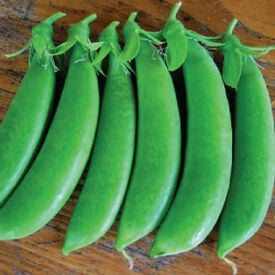
The Sugar Snap Pea is a garden staple pea that has unmatchable taste! This variety has tall vines that with support can grow up to 6 feet plus! The Sugar Snap Pea plant produces 3" long pods that are a 1/2" across, and bear over a long picking period. This is pea is so tasty that people will eat it directly after picking! Sugar Snap yields well in both hot and cold weather.
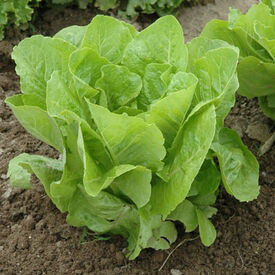
The Jericho Lettuce is known for its great baby leaf production and is very tolerant to hot weather. This lettuce is a blonde romaine that can be grown for both baby leaf and full-size heads. This lettuce variety is very attractive with its bright light-green leaves. Jericho is tolerant to both heat and tipburn. Certified Organic. Learn more about our organic seeds.
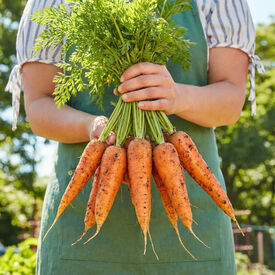
The Danver 126 is a great tasting favorite that is now also available as organic! This carrot was bred for heat resistance and will produce high yields. This carrot has a beautiful bright color with smooth skin. The Danver 126 is perfect for home gardeners and market growers alike.
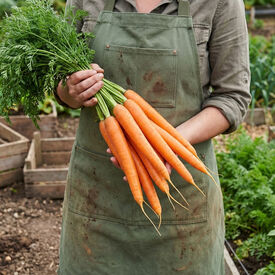
The Imperator 58 is a Danver carrot that is a garden staple! This carrot variety grows to 9" long and 1 1/2" wide. It has a very sweet and tender flavor. This carrot has smooth, large, fine-grained, long, tapered roots. Imperator 58 carrot performs best in loose, friable soils.
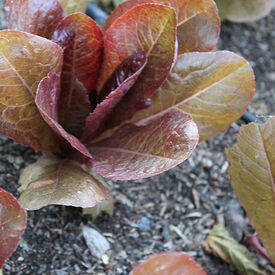
The Merveille Four Seasons is a French Bibb lettuce type that produces rich deep reddish leaves with bright cranberry red tips. This 12-16 inches lettuce has a wonderful butter taste and will hold its flavor in hot weather. The rich red leaves surround a small, 8-12 inches pale green, tight heart. Enjoy the Merveille Four Seasons chopped up in a salad for fresh flavor and a pop of beautiful color.
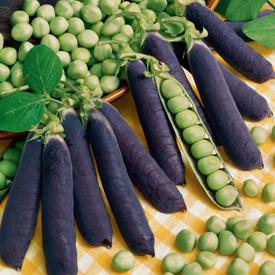
The Blue Shelling Pea is a Dutch heirloom blue podded pea that has been highly regarded for hundreds of years. This very versatile variety can be picked young and eaten raw as a colorful snow pea pod or left to swell and harvested as a plump pea for cooking. This pea plant produces lovely purple flowers with a faint scent that are also edible and delicious! Traditionally used as a winter dish, Blue Shelling would be soaked overnight and then pan fried with onions and bacon - yum! Give this 6' plant some support.
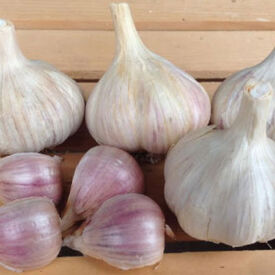
Romanian Red garlic produces 4 to 5 large cloves per bulb. This variety's bulbs are a beautiful cream white with shades of purple skins. Once harvested, these whole bulbs will store for months. Romanian Red produces a delicious flavor that is pungent and long-lasting.
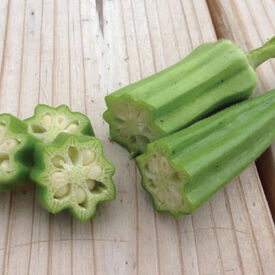
Cow Horn Okra is one of the best flavored okras around that is great for pickling or gumbo! This variety produces larger pods than most okra and should be harvested young and tender. The best time to harvest Cow Horn is at 6," but it can remain spineless, crunchy and tender up to 10" long. This old heirloom okra dates all the way back to the early 1900's. The twisted shape of this variety somewhat resembles the horns of a cow, getting its name, Cow Horn. Use shorter more tender pods for pickling or longer pods for tasty gumbo! The flowers on Cow Horn will start to appear within 45 days with okra pods soon to follow.
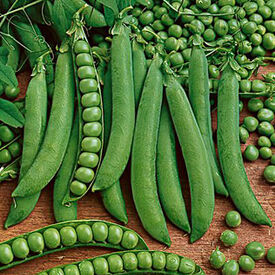
Green Arrow peas are a classic heirloom variety valued for their exceptional taste and reliable performance. Originating from the United Kingdom, this variety has been a staple in gardens for many decades. The Green Arrow pea plant is known for its vigorous, upright growth habit, typically reaching heights of 2 to 3 feet, making it suitable for small to medium-sized gardens and easy to manage without extensive support. The peas themselves are distinguished by their smooth, bright green pods and plump, tender peas that offer a sweet, fresh flavor. These peas are primarily used for fresh eating, though they are also excellent for freezing. They are generally harvested when the pods are fully formed but still tender, usually in late spring to early summer. The Green Arrow variety is appreciated for its high yield and disease resistance, which contribute to a bountiful harvest. With its sweet flavor, productive growth, and ease of cultivation, Green Arrow peas remain a popular choice among gardeners seeking a dependable and delicious pea variety.
