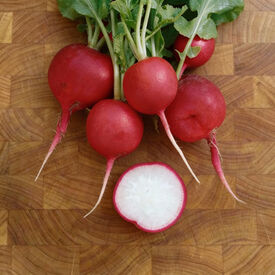
Crimson radish is a vibrant and flavorful variety of radish that stands out for its striking color and crisp texture. Originating from traditional radish cultivars, Crimson radish has been cultivated for its eye-catching appearance and peppery taste. This variety is known for its round, smooth roots, which boast a deep red to crimson skin and a white, crunchy interior. The flavor is typically sharp and tangy, with a satisfying bite that enhances salads, sandwiches, and garnishes. Crimson radishes generally mature in about 25 to 30 days, making them a quick and rewarding crop for gardeners. The plants exhibit a compact, upright growth habit, growing to a height of about 6 to 12 inches with a spread of 6 to 8 inches. They thrive in cool weather and well-drained soil, preferring full sun to partial shade. Their rapid growth and ease of cultivation make them ideal for successive plantings, providing a steady supply of fresh radishes throughout the growing season. With their vibrant color, crisp texture, and zesty flavor, Crimson radishes are a popular choice for adding both visual appeal and flavor to the garden and kitchen.
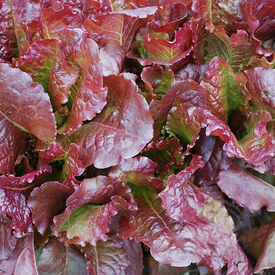
The Outredegeous Lettuce is a deep, dark purple red romaine that will maintain its dark color even under low-light conditions! This mesmerizing variety is a wonderful baby leaf type and large loose leaf type, making it the perfect lettuce for salad growers. You can start using its leaves after 28 days. Outredegeous seeds are a natural mix of black and white.
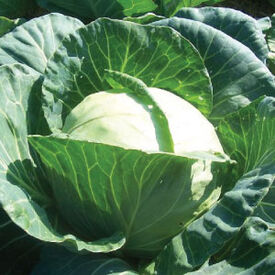
An early maturing heirloom cabbage. Early Jersey Wakefield is an early variety of cabbage with pointed heads that resist splitting! A great home garden cabbage with great flavor!
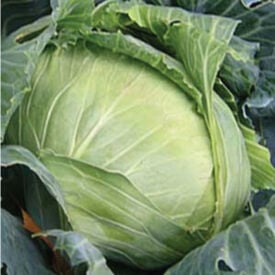
Brunswick cabbage is a traditional variety known for its hardiness and adaptability, making it a favorite among gardeners in cooler climates. Originating from Europe, Brunswick cabbage features large, tightly packed heads that can reach sizes of 3-5 pounds. The leaves are thick, dark green, and slightly crinkled, providing a robust texture. The flavor is mild and sweet, especially after exposure to frost, which enhances its natural sugars. Brunswick cabbage is typically harvested in late summer to early fall, and it can store well, making it ideal for winter use. This variety is often used for sauerkraut, coleslaw, and various cooked dishes due to its versatility. Brunswick cabbage plants grow upright and can reach heights of about 18-24 inches, preferring well-drained soil and full sun. Their resilience to cold weather makes them suitable for early spring and fall planting, allowing gardeners to enjoy fresh produce throughout the growing season. Overall, Brunswick cabbage is valued for its robust flavor, adaptability, and long storage life.
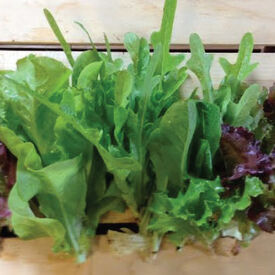
The Gourmet Mesclun Blend is a colorful mixture of our favorite gourmet leaves! This blend offers a pleasing mix of colors and types of lettuce that are delicious together in a salad. The Gourmet Mesclun Blend is also great for baby leaf production.
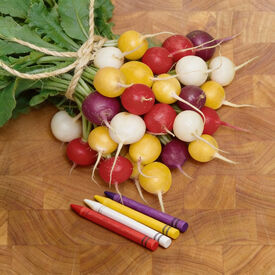
The Crayon Colors Mix is a mixture of primary colored radishes that literally paints a wonderful colorful palette in your garden! The color in this mix includes yellow, pink, red, and purple.
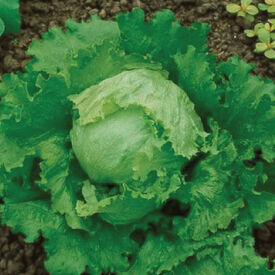
Great Lakes 118 lettuce is a classic butterhead variety that has gained popularity among gardeners since its introduction in the mid-20th century. Known for its compact, dense heads and vibrant green, slightly crinkled leaves, this lettuce offers a pleasing texture and rich, buttery flavor. The taste is mildly sweet and crisp, making it ideal for salads and sandwiches. Harvesting typically occurs around 60-75 days after planting, when the heads are firm and fully developed; gardeners can either cut the entire head or pick individual leaves as needed. Great Lakes 118 thrives in cooler temperatures and well-drained soil, making it a favorite choice for spring and fall planting, and it’s particularly valued for its ability to withstand heat and maintain flavor.
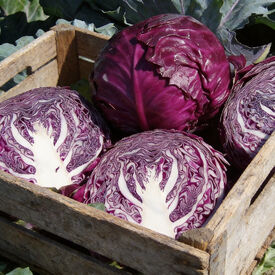
Red Jewel is early maturing and produces good size cabbages. This variety is a high-yielding red cabbage hybrid with uniform maturity. Red Jewel offers a deep red head with a short core and is ideal for both fresh and shredder markets.
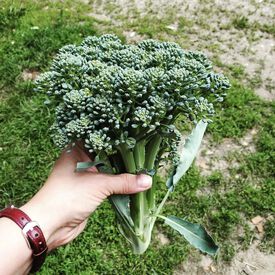
Waltham 29 broccoli seeds produce a classic, open-pollinated variety that was developed in the early 20th century by the University of Massachusetts at Waltham and has remained a trusted garden standard ever since. This variety forms large, deep blue-green central heads measuring 6–8" across on sturdy, cold-tolerant plants that typically reach 20–24" tall. Known for its reliability and adaptability, Waltham 29 performs especially well in cooler temperatures and is valued for its uniform growth and strong side-shoot production after the main head is harvested, resulting in generous yields over an extended period. It matures in about 74–85 days from transplant, making it well suited for spring and fall planting. The tightly packed florets have a tender texture and mild, slightly sweet flavor, excellent for fresh eating, steaming, freezing, and a wide range of culinary uses.
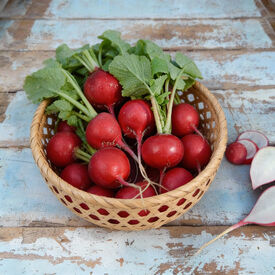
The Early Scarlet Globe is an early forcing radish that is perfect for home and market growers! This variety is a great bunching radish that produces 1" globes with bright red skin and a white flesh. The Early Scarlet Globe is great for both spring and fall planting!
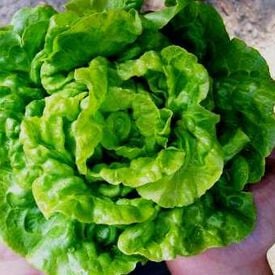
The Tom Thumb Lettuce is a tennis ball sized Bibb type with a great flavor! This slightly savory, bright green lettuce produces small compact heads that have slightly crumpled leaves with a sweet, delicate flavor. One head will make a salad for two! Tom Thumb will grow beautifully in small pots, window boxes, hanging baskets and planted under trees. This variety is the oldest American lettuce still grown, dating back to 1830's! This rare find is a good one!
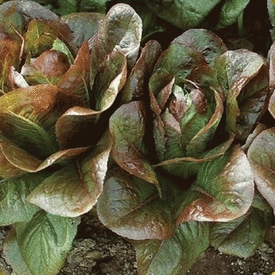
Rouge D'Hiver Lettuce is a beautifully multicolored French heirloom romaine. This variety's green leaves are tinted with medium-red color at the tip. Rouge D'Hiver is not just beautiful, but it is also very tasty and very easy to grow. This lettuce is a home favorite for resisting heat and cold stress if well watered. This variety has been recently resurrected.
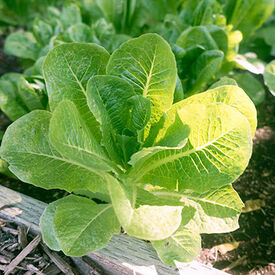
The Little Caesar Lettuce is a very attractive tall romaine type with crisp, bright green outer leaves and golden-blanched inner leaves. This lettuce has a sweet, crunchy flavor that is delicious on any sandwich or salad. This variety is easy to grow and is perfect for smaller gardens. Little Caesar is best picked right before eating.
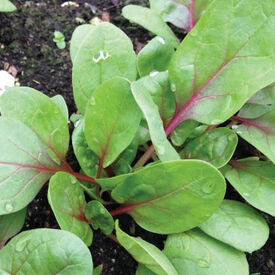
The red veined Red Tabby Spinach has beautiful tender smooth leaves. This variety is an excellent baby leaf spinach that does well in spring, fall and winter. Its uniform, smooth leaves grow straight and upright. Red Tabby is also resistant to downy mildew races 1-13.
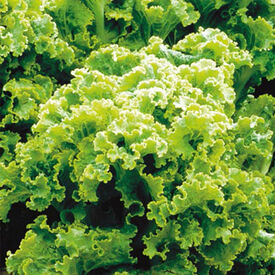
Green Ice is a crispy loose-leaf lettuce that does well in hot weather! This variety produces an abundance of crunchy loose leaves. Green Ice's leaves are curled with deep green color. This lettuce is ready in just 45 days, it is among the earliest, yet will last well into summer thanks to its superior heat tolerance. Green Ice is one loose-leaf that just won't bolt!
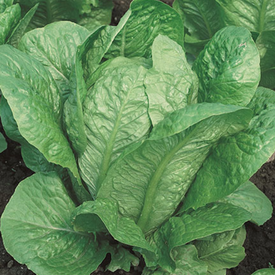
The Vivian lettuce is a tightly bunched romaine with broad dark green crisp leaves. Its leaves are 12-16 in. long and 4-6 in. across. Vivian is bolt resistant and suitable for commercial and home growers. Its erect dark green leaves are great for baby leaf production.
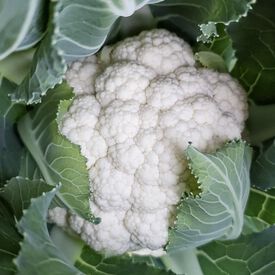
Snowball Y Improved cauliflower is a popular open pollinated variety! This cauliflower is known for its vigorous, rapid growth and long harvest. Its head is snow-white and measures 7-8" inches across. Give this cauliflower fertile soil, full sun and steady moisture and you'll be rewarded with large, delicious heads that are high in vitamin C.
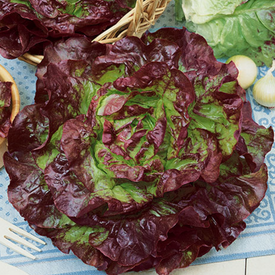
Carmona Red is a favorite among many market growers! This lettuce variety produces big, bright red heads with lime green hearts. The Carmona Red has a nice silky texture and is very disease resistance.
