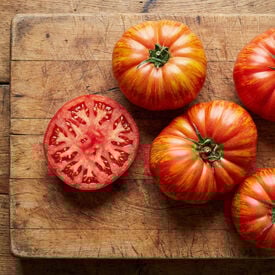
Beefy Red tomato seeds yield a distinctive and flavorful heirloom variety known for its vibrant red color and large, meaty texture. These tomatoes are typically hefty, with thick flesh and few seeds, making them perfect for slicing and adding to sandwiches, burgers, or salads. Flavor finishes with smoky notes reminiscent of fire-roasted tomatoes, this determinate type tomato is a "Cream of the Crop" original. Fruits weigh between 12-14 oz. Certified Organic.
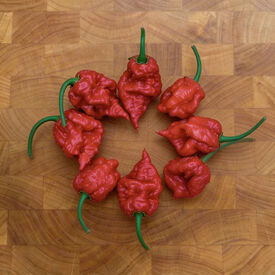
The Carolina Reaper is one of the hottest peppers in the world! This very hot pepper has a sweet chocolate-cherry under tone with hint of fiery citrus. The Guinness book of World Records has the Carolina Reaper at 1,569,000 Scoville Heat Units (SHU). Use with caution, extremely hot!
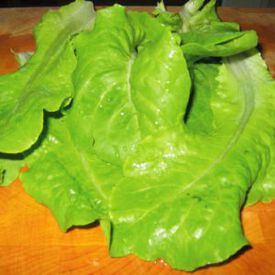
Buttercrunch lettuce seeds produce a popular variety known for its crisp, tender leaves and sweet, buttery flavor. This heirloom variety features thick, light green leaves that form a loose, rosette shape, making it visually appealing in the garden and on the plate. Buttercrunch lettuce is known for its ability to tolerate heat better than many other lettuces, which allows for extended growing seasons. The leaves are slightly wavy and have a delicate texture, making them perfect for salads, sandwiches, and wraps. They also hold up well in dressings, adding a delightful crunch. When grown from seed, Buttercrunch lettuce typically germinates quickly, with seedlings developing into lush heads in a relatively short time. It thrives in cooler weather, making it an excellent choice for spring and fall gardens. Overall, Buttercrunch lettuce seeds offer a reliable and delicious option for home gardeners seeking to enjoy fresh, homegrown greens!
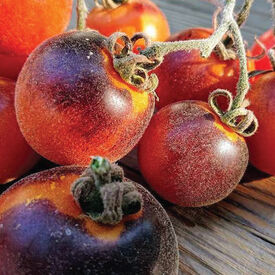
Wooly Kate tomato seeds produce a unique and eye-catching heirloom variety known for its striking, fuzzy leaves and unusual fruit. These tomatoes are medium-sized, with a smooth, vibrant red color and a rich, tangy flavor that balances sweetness with a hint of acidity. The plants are notable for their soft, woolly foliage, which is a characteristic feature of this variety, adding to its charm and visual appeal in the garden. Wooly Kate tomatoes are great for slicing, making sauces, or adding to salads, offering both excellent taste and a fun, distinctive look. They are reliable producers, thriving in a variety of climates and yielding a generous harvest throughout the growing season.
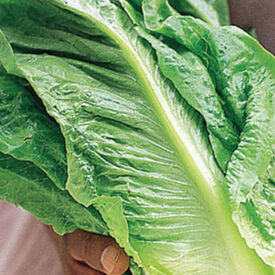
The Parris Island Cos is an heirloom romaine lettuce that is great for home and market gardens. This variety is a great lettuce commonly used for baby leaf production. Parris Island Cos is a fast maturing lettuce that makes an excellent tasting head. Its uniform upright, grey-green heads are 8-12" tall and have slightly savory leaves and are medium-slow to bolt.
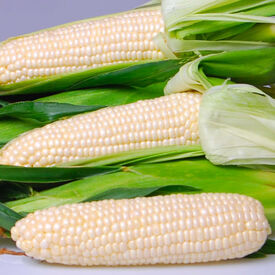
Eden is a game-changer as it unites the exceptional quality of taste and texture of the Augmented varieties with emergence and vigor. This high yielding and uniform sweet corn have a great tip fill and beautiful white kernels with even rowing. It is also easy to pick, packs well, and has held power from field to consumer. In trial after trial, Eden has proven itself to be exceptional on every level.
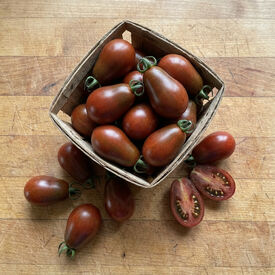
The Chocolate Pear is a super productive variety that produces little chocolate-brown colored pear tomatoes that are the perfect size for snacking! This pear shaped variety has a rich tomato flavor that is excellent for adding to salads, pastas or even just to eat by the handful! The Chocolate Pear is a nice tomato for market growing and is perfect to mix with other colored tomatoes.
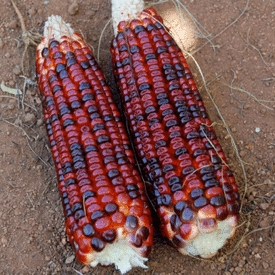
Bloody Butcher corn is a striking heirloom variety known for its deep red kernels and bold, rustic flavor. This ancient American corn is traditionally grown for both its ornamental beauty and its culinary versatility. The vibrant red and purple kernels make it an eye-catching addition to any garden, while the corn itself is prized for its dense, starchy texture, which is perfect for grinding into cornmeal, flour, and grits. Bloody Butcher corn is also commonly used in hominy and for popping. Its tall, robust plants are well-suited for a variety of growing conditions, thriving in warm climates with well-drained soil. As an open-pollinated variety, Bloody Butcher is excellent for sustainable farming and seed-saving, ensuring its continued presence in both historical and modern agriculture. This heirloom variety not only adds color and flavor to the kitchen but also carries a rich history, making it a favorite for gardeners and farmers alike.
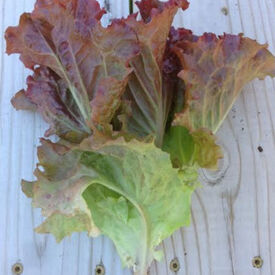
The Ruby Red Lettuce is an early variety that produces good yields of bright green to ruby red colored leaves. This beautiful variety is a very heat tolerant lettuce that is slow to bolt. Ruby Red's color does not fade in the hot weather! This lettuce is excellent for adding color to salads or garnishes.
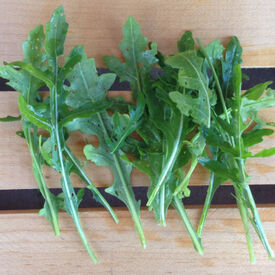
A slow growing arugula with great tasting peppery leaves! This variety produces 4" deeply cut leaves that have a slightly sharp pepper flavor. The Sylvetta is compact, heat and cold tolerant. If you are looking to spice up your salads and meals, then this is for you!
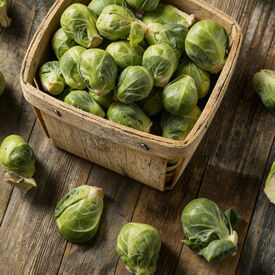
The Long Island is a compact Brussels sprout with heavy yields! This is a workhorse variety that produces very flavorful sprouts. This compact, 24" tall plant yields 75-100 dark green, 1-2" sprouts over a long period. Don't overlook this popular vegetable for your garden. First introduced in the 1890's. This variety is a great freezing variety for long storage. Dependable yield. Great for small gardens.
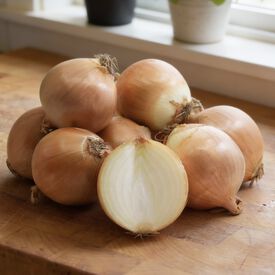
Walla Walla onions are a distinctive, sweet onion variety renowned for their large size, mild flavor, and delicate texture. Originating from the Walla Walla Valley in Washington State, these onions have a history dating back to the late 1800s. Their bulbs are typically round or slightly flattened, with smooth, pale yellow to light brown skins, and their flesh is exceptionally sweet and mild, making them ideal for raw consumption in salads, salsas, or on sandwiches. Known for their low sulfur content, which contributes to their sweetness, Walla Walla onions are a long-season crop, requiring a full growing cycle to reach maturity. They are beloved by gardeners for their ability to grow in a variety of climates, though they flourish best in well-drained, fertile soil with ample sunlight.
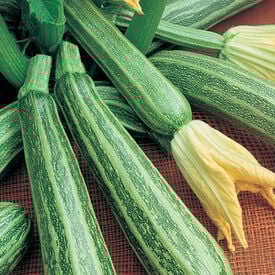
The Italian Cocozelle is a bush type of squash plant that produces high yields of the long, tender, dark green fruits. This Italian zucchini is very flavorful and tender and a favorite that is now available in organic seeds. This variety is best when harvested at 12" long or smaller. The Cocozelle is excellent for slicing, frying, and steaming and is also a good freezing and canning variety. Pick often when the squash is young to prolong harvest. Harvesting zucchini when it is young and tender offers the best flavor and eating quality. See the second picture for what the inside should look like when harvested. Certified Organic. Learn more about our organic seeds.
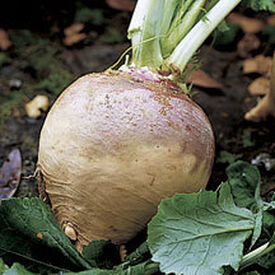
American Purple Top rutabaga is a classic root vegetable known for its striking appearance and robust flavor. This variety features a round, bulbous shape with a creamy yellow flesh and a distinctive purple crown on the top, making it visually appealing in the garden and on the plate. Traditionally grown in North America, American Purple Top rutabagas have a slightly sweet and earthy taste, with a texture that becomes tender when cooked. They thrive in cooler climates and are typically harvested after about 90-100 days, making them ideal for fall and winter dishes. Rich in nutrients, this versatile vegetable can be enjoyed roasted, mashed, or added to soups and stews, adding depth and flavor to a variety of culinary creations.
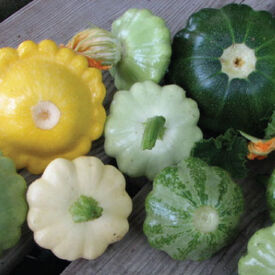
The Scallop Blend Squash is a wonderful mixture of unique yellow, white, and green scallops. This fun blend is perfect for home gardeners. Growing the unique, colorful Scallop Blend will give you a mix of different tastes, maturity times and colors in your garden.
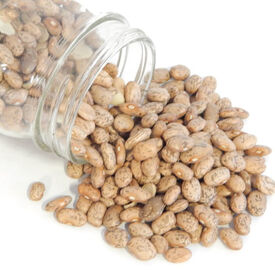
The Pinto bean is a great tasting bean, very popular in many Mexican dishes! The Pinto bean plant is a half-runner type that produces 20 inch plants with light tan seeds with brown speckles. Eat young when green for delicious flavor. Great bean for using for refried beans.
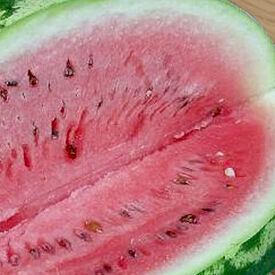
Crimson Sweet watermelon seeds are renowned for their exceptional quality and vibrant, sweet fruit production. These seeds yield a variety of watermelon with strikingly dark green skin and deep red, juicy flesh that’s both crisp and flavorful. The Crimson Sweet variety is prized for its high sugar content and excellent disease resistance, making it a popular choice among gardeners and farmers alike. With their relatively straightforward growing requirements, these seeds are ideal for home gardeners looking to grow large, refreshing watermelons with minimal fuss. Additionally, the Crimson Sweet watermelon is known for its impressive size, often reaching up to 25 pounds, making it a spectacular choice for summer picnics and barbecues.
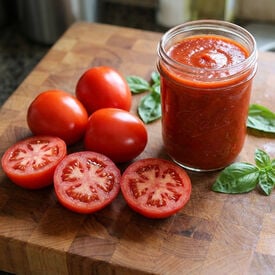
The absolute best sauce tomato for home gardeners and market growers. This tomato is packed full of flavor. Produces firm, deep red fruits that cook down beautifully to make the smoothest pasta sauces and pastes you’ve ever had. A very productive plant that will produce a large crop of medium-sized dense oblong fruits with a sweet flavor profile.
