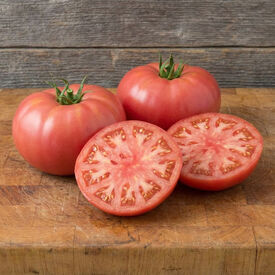
German Johnson tomato seeds produce a classic heirloom variety believed to have originated with German immigrants in the southeastern United States in the early 1900s. This indeterminate, beefsteak-type tomato is known for its large, pinkish-red fruits with slightly flattened shapes and occasional ribbing. German Johnson tomatoes typically mature in about 75–80 days and are prized for their consistently heavy yields throughout the season. The flavor is exceptionally rich, sweet, and low in acidity, making it a favorite for fresh slicing, sandwiches, and summer salads.
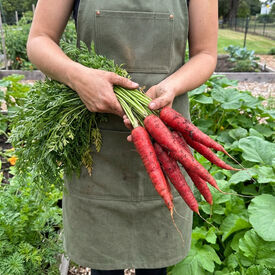
Atomic Red carrots are rich in vitamins and minerals! Bright red root, tapered 1.5 x 11" long, super healthy high lycopene, crispy, intense color even when cooked. Atomic Red carrots are very healthy and unique-looking. The bright red is sure to add color to your garden. Atomic Red is especially high in the anti-oxidant lycopene, which is also found in tomatoes.
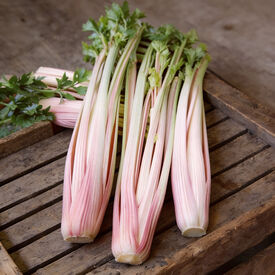
The Peppermint Stick's tender prolific stalks have real celery flavor! This unique, bicolored striped celery is red and white and full of flavor. It is a slow bolting variety. Use the Peppermint Stick's leaves and stalks for fresh seasoning. This celery is definitely a colorful addition to your garden!
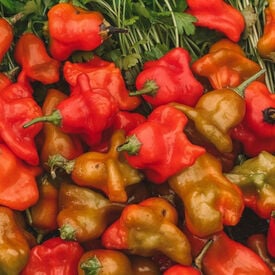
An unusually shaped pepper with a spicy fruity flavor. Their wonderfully fruity taste makes Bishop’s Crown Peppers amazing in salsa and pickles and you can eat them fresh or dried. It's name was given because it’s the shape of a Catholic Bishop’s crown.
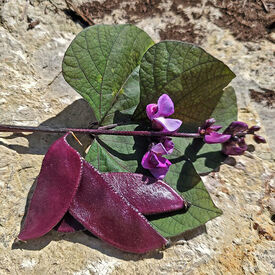
Ruby Moon Hyacinth Bean, also known as Lablab purpureus or simply Hyacinth Bean, is a unique and versatile legume known for its vibrant appearance and culinary potential. This heirloom variety is named for its striking ruby-red pods and dark green foliage, making it an attractive addition to both ornamental and edible gardens. Ruby Moon Hyacinth Beans are typically grown as annuals, but in tropical regions, they can be perennial. In terms of taste, the young pods and seeds of Ruby Moon Hyacinth Bean are edible and have a mild, nutty flavor similar to green beans. They can be consumed both raw and cooked. However, it's important to note that mature seeds contain toxic compounds and should not be eaten without proper processing. Ruby Moon Hyacinth Beans have a rich history, with their cultivation dating back centuries, primarily in Asia and Africa. They are valued not only for their culinary uses but also for their ability to fix nitrogen in the soil, enhancing soil fertility. This plant is categorized as a warm-season annual and typically matures in about 60-90 days, depending on growing conditions. The size of the Ruby Moon Hyacinth Bean plant can vary, but it generally reaches a height of 6-10 feet, making it suitable for trellises or fences. When it comes to yield, you can expect approximately 10-15 pounds of pods per plant or around 800-1,200 pounds per acre under ideal conditions. These beans thrive in full sun and well-drained soil, and they require a warm climate to grow successfully. Adequate moisture and support for climbing are essential for a bountiful harvest. With proper care, Ruby Moon Hyacinth Beans can be a delightful addition to your garden, offering both visual appeal and a tasty, nutritious addition to your plate.
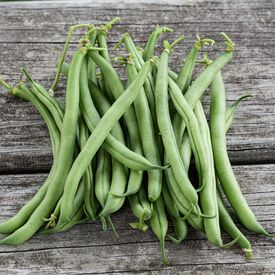
Cinnabar Mountain bean seeds produce striking, ornamental pole beans known for their vivid scarlet flowers and long, slender pods. This variety is not only visually appealing but also productive, climbing vigorously and yielding beans that can be eaten young as snap beans or left to mature for dry beans. Named after the cinnabar-red hues of its blooms, it attracts pollinators like hummingbirds and bees, making it a beautiful and beneficial addition to gardens. The plants thrive in warm weather with full sun and well-drained soil, and they require sturdy trellising due to their vigorous vining habit. Cinnabar Mountain beans combine aesthetic charm with culinary value, making them a favorite for both ornamental and edible landscapes.
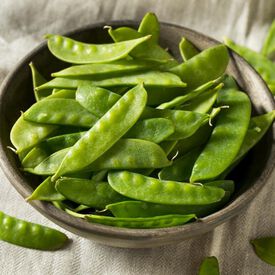
Sugar Lace peas are a unique variety of edible-podded peas known for their attractive, semi-leafless vines with tendrils that help them cling and climb, reducing the need for support. These peas produce sweet, crisp pods that are stringless and ideal for fresh eating, stir-frying, or steaming. Unlike traditional shelling peas, Sugar Lace peas are enjoyed whole, pod and all, making them a convenient and nutritious garden snack. They are a late-season type with high yields and excellent disease resistance, thriving best in cool weather and well-drained soil. Their compact growth habit also makes them suitable for small gardens or container planting.
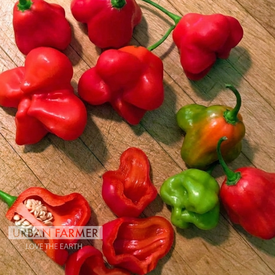
Mad Hatter pepper seeds produce a unique, sweet Capsicum baccatum variety known for its distinctive three-lobed, flying-saucer shape and crisp texture. Bred in the early 21st century by plant breeder Michael Mazourek at Cornell University, Mad Hatter was developed to showcase the fruity flavor and adaptability typical of baccatum peppers while remaining completely heat-free. The medium-sized fruits ripen from green to bright red and have a refreshing, lightly citrusy sweetness with a crunchy bite, making them excellent for fresh eating, salads, stuffing, and pickling. Plants are vigorous and high-yielding, often reaching 3–4 feet tall, and are valued for their ornamental appeal, disease tolerance, and reliable performance in a wide range of growing conditions. All American Selection winner.
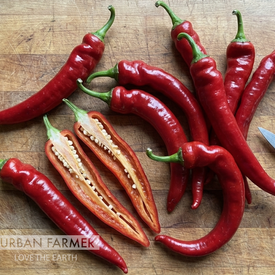
Jimmy Nardello pepper seeds produce a classic Italian heirloom sweet pepper (Capsicum annuum) brought to the United States in 1887 by Giuseppe and Angela Nardello from the coastal region of southern Italy and later popularized by their son, Jimmy, in Naugatuck, Connecticut. This open-pollinated variety is known for its long, slender, deeply ridged fruits that typically reach 6–10 inches in length and ripen from green to a vibrant glossy red. Jimmy Nardello peppers are prized for their exceptionally sweet, rich flavor with no heat, thin skins, and tender flesh, making them ideal for frying, roasting, or eating fresh. Plants are productive and adaptable, usually growing 24–30 inches tall, and are valued by gardeners and chefs alike for their reliable yields and outstanding taste that intensifies when cooked.
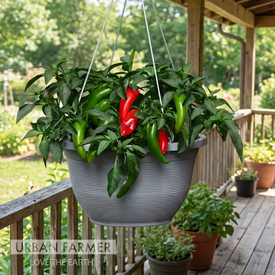
Pot-a-Peno pepper seeds produce a compact jalapeño-type hot pepper (Capsicum annuum) that was bred specifically for container and patio growing. Developed as a modern hybrid, Pot-a-Peno combines the classic jalapeño flavor and moderate heat with a dwarf, bushy growth habit that stays neatly contained while still producing heavy yields. The thick-walled, blunt-ended fruits are typically 3–4 inches long, ripening from deep green to red, and offer a balanced heat level that works well for fresh use, grilling, stuffing, and pickling. Plants are sturdy, highly ornamental, and very productive for their size, making Pot-a-Peno an excellent choice for small gardens, raised beds, and containers where space is limited.
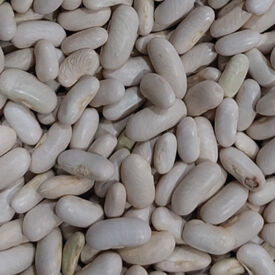
Quicksilver Mountain bean seeds grow into a vigorous pole bean variety prized for its elegant, silver-speckled dry beans and reliable performance in the garden. The tall, climbing vines produce long, slender green pods that can be harvested young as tender snap beans or left to mature into striking dry beans with a smooth, pale base marked by silvery patterns. Known for their creamy texture and rich, nutty flavor when cooked, Quicksilver Mountain beans are ideal for hearty dishes like soups, stews, and casseroles. This variety thrives in full sun with support from a trellis or pole structure and is favored by gardeners for both its visual appeal and culinary quality.
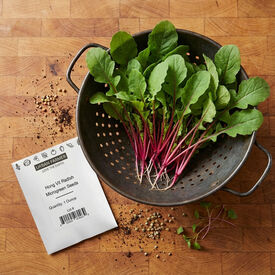
The spicy flavor, attractive purple stems, and green leaves of the Hong Vit Radish makes it a favorite among many growers! This radish variety is also a very fast growing microgreen. The Hong Vit grows straight with hairless attractive purple stems. Micro Hong Vit's leaves add a spicy flavor, visual appeal, and bulk to mixes!
