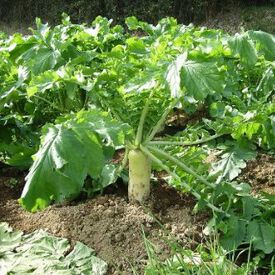
The Jackhammer Radish is a fast growing daikon radish variety that is a great scavenger that will start germinating immediately! This variety is very easy to grow. The Jackhammer Radish is good for winter kills and turns into great biomass. Radish (Brassica): Cool Season, broadleaf, Annual, Upright and spreading habit, Root Crop Uses: Nitrogen Scavenger, Green Manure, Forage, Organic Matter, Weed Suppression
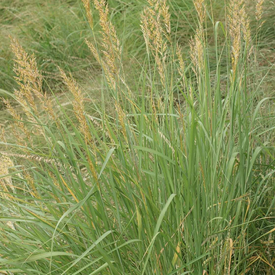
The Indiangrass is a warm-season bunchgrass that is native to central and eastern North America and provides cover and food for wildlife. This grass can reach up to seven feet tall and is a common species of the Tallgrass Prairie. The beautiful, plume-like seed heads are very ornamental making them excellent for prairie and conservation mixtures.
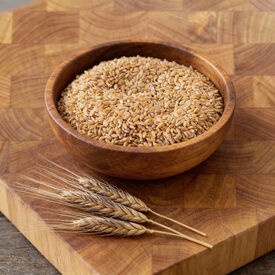
Einkorn is the most ancient cultivated wheat and one of the earliest cereal crops grown by humans. As a diploid grain, it contains just two sets of chromosomes (14 total) compared to the six sets (42 chromosomes) found in modern hexaploid wheat, and it lacks the D genome often associated with wheat sensitivity in some people. Einkorn is a hulled wheat with a rich, nutty flavor and is widely valued for its higher levels of protein, minerals, and antioxidants compared to modern wheat, making it a nutritious and traditional choice for specialty baking and whole-grain use.
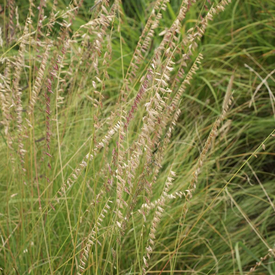
The Sideoats Grama is a warm-season bunchgrass grain variety that is easy to grow and native throughout much of North America. The ornamental and distinctive seed spikes hang from only one side of the stalk, and these make good fresh or dried cuttings. This grain prefers full sun and moderate to dry soils. The Sideoats Grama is recommended for meadow and prairie plantings, beds & borders, and as a component of forage mixes for livestock and wildlife.
