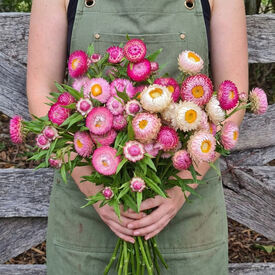
The Monster series strawflowers are high yielding produces of fresh cut or dried arrangements. This variety has beautiful bright pink blooms. The Monster Bright Pink variety produces extra large double blooms with long and strong stems. Blooms reach 2–2 1/2" across.
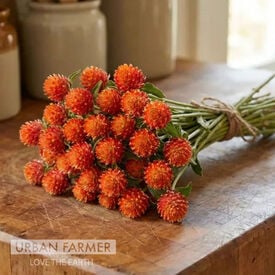
QIS Orange Gomphrena ia highly productive accent flower that is excellent for fresh bouquets or dried arrangements. Produces 1-2" blooms in bright, vibrant, orange color. The QIS (Quality in Seed) Series is a florist favorite for its consistent production in quality, length, and uniformity. Also known as globe amaranth and common globe amaranth.
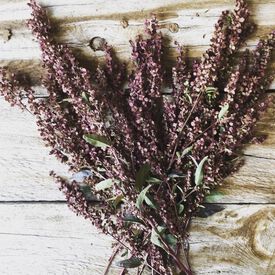
Copper Plume is a great filler in floral arrangements. Highly productive plant with plum-wine plumes on long, strong stems feature small, paper-thin seed pods. Also known as orach and orache.
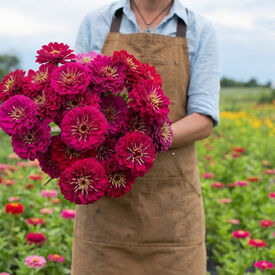
Benary's Giant Wine zinnias are a striking and sophisticated variety celebrated for their deep, rich hue and robust growth. Developed by the renowned Benary breeding program in Germany, this variety was designed to offer gardeners a luxurious color and reliable performance. The plants produce large, fully double flowers with a deep wine-red color that adds a dramatic and elegant touch to any garden or floral arrangement. Each bloom is characterized by its densely packed, ruffled petals, which create a plush, rounded appearance that enhances its visual impact. Benary's Giant Wine zinnias typically reach heights of 24 to 36 inches and feature a bushy, upright growth habit, making them well-suited for garden beds, borders, and cutting gardens. They begin blooming in mid-summer and continue to display their stunning flowers until the first frost. These zinnias thrive in well-drained soil and full sun, demonstrating resilience to heat and common pests. With their deep wine color, impressive flower size, and extended blooming period, Benary's Giant Wine zinnias are a distinguished and vibrant addition to any garden or floral display.
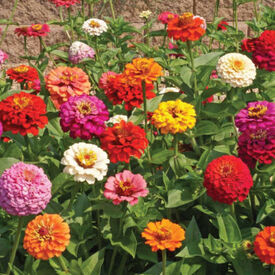
The Cut and Come Again Zinnia is just like its name, its the best variety for those who love fresh cut flowers again and again! This wonderful variety blooms in a rainbow of colors and provides endless flowers from mid-summer all the way until frost, giving you a multitude of blooms to cut and bring indoors. Like all Zinnias, the Cut and Come Again is extremely easy to grow, deer resistant and attracts pollinators to the garden.
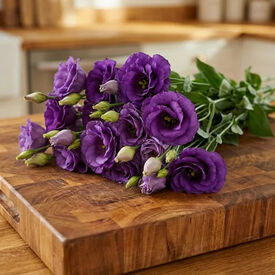
Rosita 2 Purple is your standard in double flowered lisianthus. Petals have a full purple color with top flowering and strong stems. This is truly a great cutting flower often times getting mistaken for roses. Rosita 2 is suitable for spring and early summer flowering. Enjoy the excellent vase life with these medium-sized, rose-shaped flowers and more useable buds. Pelleted Seed Ht. 24–36". Avg. 42,200 seeds/oz. Packet: 50 seeds.
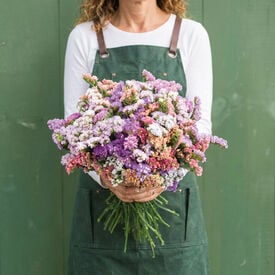
Pastel Mix Limonium seeds—often known as Statice or Sea Lavender and botanically classified as Limonium sinuatum—produce a timeless cut-flower blend with roots in the Mediterranean, where the species has been grown for centuries for its durable, papery blooms valued in both fresh and dried arrangements. This mix features soft shades of pink, lavender, cream, peach, and pale yellow, each held on sturdy, branching stems above low rosettes of wavy foliage, creating airy, long-lasting color in the garden. Limonium thrives in full sun, heat, and dry conditions, performing best in sandy or well-drained soil and disliking overly rich or wet environments. To grow, start seeds indoors 8–10 weeks before the last frost, barely cover them, and transplant once temperatures warm; once established, the plants are tough, drought-tolerant, and bloom steadily through summer.
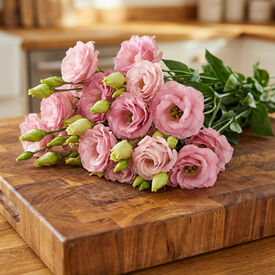
Rosita 2 Pink Flash is your standard in double flowered lisianthus. Petals have a full light pink tip to creamy-pink center with top flowering and strong stems. This is truly a great cutting flower often times getting mistaken for roses. Rosita 2 is suitable for spring and early summer flowering. Enjoy the excellent vase life with these medium-sized, rose-shaped flowers and more useable buds. Pelleted Seed Ht. 24–36". Avg. 42,200 seeds/oz.
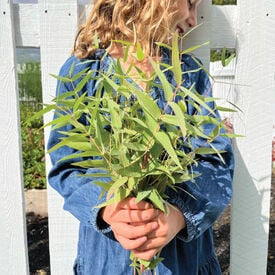
Lemon Bush Eucalyptus, scientifically known as Eucalyptus citriodora, is a fragrant evergreen tree renowned for its refreshing lemon-scented leaves. Native to Australia, this tree typically grows between 30 to 50 feet tall, although it can be maintained as a smaller shrub through pruning. The leaves are long and narrow, with a bright green color, and they release a strong citrus aroma, especially when crushed, which has made it popular for its essential oil. Lemon Bush Eucalyptus produces clusters of small white flowers, which attract bees and other pollinators. This tree thrives in full sun and well-drained soil, preferring warm climates and tolerant of drought once established. It is often used in landscaping for its aromatic foliage and attractive appearance, as well as for its potential medicinal properties. With its vibrant scent and lush green foliage, Lemon Bush Eucalyptus adds both beauty and fragrance to gardens, making it a favorite among gardeners and herbal enthusiasts alike.
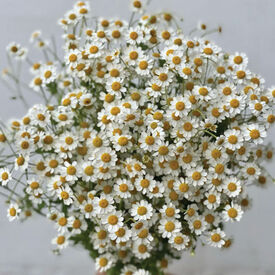
A beautiful flower that makes a wonderful filler with other cut-flowers. These plants are upright with an abundance of strong stems that support 1" blooms with yellow disks and white petals. Tender-perennial in Zones 5–9. Also known as feverfew. Seed has been pelleted for ease of sowing.

This Ammi makes for a great greener bouquet filler. Goes well with any color scheme. Flower heads are 3-5" wide that sit on long, sturdy stems. Also known as false Queen Anne's lace, lace flower, false bishop's weed, toothpickweed, and bishop's weed. Also great at attracting beneficial insects to the garden.
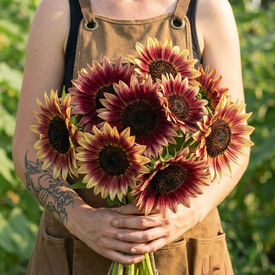
ProCut® Plum is one of the most unique sunflowers bred. The plum color really blends well in arrangements of bronze and reddish flowers. ProCut® Plum produces a single pollenless flower on a strong stem. It is medium in maturity.
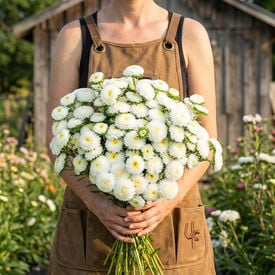
Bonita White Aster produces beautiful, fully-double pompon flowers that that turn completely white. The white flowers reach up to 2" in diameter and remain attractive even when aging. White Bonita’s flowers are held at a perfect angle for maximum impact. Bonita has fusarium resistance.

Now with Downy Mildew Resistance (DMR). Greenburst DMR has a yellow golden semi-double flower bursting around a green center. Provides a similar look to Gerberas, but of course, they have much longer stems. Flowers are profuse on branching plants. Give Greenburst DMR ample spacing and it branches abundantly over a long period. Is an excellent cutflower and blends well with other sunflowers. Pollen-less. Ht. 48-72". Avg. 620 seeds/oz. Packet: 25 seeds. NOTE: Downy mildew in sunflowers can still survive in infected soils. Cool and wet soils tend to have more issues with DM. Symptoms include damping-off, stunted plants, yellowing leaves, and the presence of downy, white mildew on the undersides of the leaves.
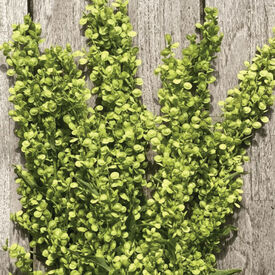
Green Plume is a great filler in floral arrangements. Highly productive plant with emerald-green plumes on long, strong stems feature small, paper-thin seed pods. Also known as orach and orache.

Violet Bicolor Double Click Cosmo produces large violet double blooms that range from light to dark. A beautiful cut flower. Fully-double and semidouble blooms make this a great garden addition. The Double Click grows to a height of 36-44".
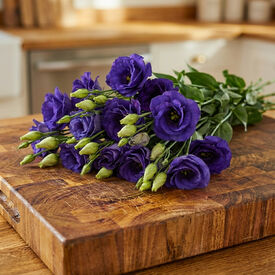
Rosita 2 Sapphire is your standard in double flowered lisianthus. Petals have a deep purple color with top flowering and strong stems. This is truly a great cutting flower often times getting mistaken for roses. Rosita 2 is suitable for spring and early summer flowering. Enjoy the excellent vase life with these medium-sized, rose-shaped flowers and more useable buds. Pelleted Seed Ht. 24–36". Avg. 42,200 seeds/oz. Packet: 50 seeds.
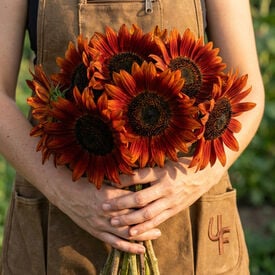
The Velvet Queen Sunflower produces huge, beautiful velvety red blooms that are absolutely unforgettable in the garden or a vase. This variety can measure up to 8 inches across and will very freely bloom all summer long. The Velvet Queen is truly the queen of sunflowers!
